

-3%
Micronase
Price range: $ 116.53 through $ 881.89
Minipress
Price range: $ 82.00 through $ 1 ,612.72
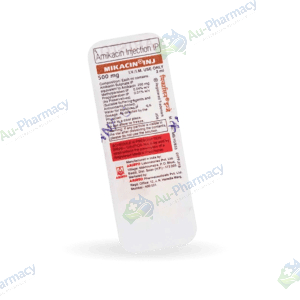
Mikacin Injection
Price range: $ 128.04 through $ 372.61
Mikacin Injection is a potent antibiotic used to treat a range of serious bacterial infections. It belongs to the aminoglycoside class of antibiotics, working by inhibiting bacterial protein synthesis. This medication is typically administered intravenously or intramuscularly by a healthcare professional. Mikacin Injection is effective against various susceptible bacteria, helping to combat severe infections. It is crucial to use this medication only as directed for its intended therapeutic purposes.
Active ingredient: Amikacin
Delivery: 5–21 business days (depending on the shipping method selected)
Save an extra 10% with the discount code: EXTRA10
Each dosage option has its own packaging variants.
Description
Mikacin Injection Therapeutic Action Dosage Regimen and Safety Profile
Welcome to our detailed guide on Mikacin Injection, a powerful and widely recognized antibiotic solution essential for combating severe bacterial infections. For Australian residents seeking direct access to vital medications, our online platform offers Mikacin Injection for purchase without the need for a prescription or prior consultation. This unique offering ensures that you can obtain critical treatment with unprecedented convenience, delivered directly to your location across Australia, from the bustling streets of Sydney and Melbourne to regional communities nationwide. We understand the importance of timely access to effective therapies, and our commitment is to provide a reliable source for your pharmaceutical needs.
This comprehensive resource is designed to equip you with all the necessary information regarding Mikacin Injection, covering its mechanism of action, therapeutic indications, proper administration, potential side effects, and important precautions. Our aim is to empower you with knowledge, enabling informed decisions for your health journey. While Mikacin Injection is available for direct purchase through our service, it is crucial to acknowledge that it is an injectable medication traditionally administered under professional medical supervision, and understanding its intricacies is paramount for safe and effective use. Explore the detailed insights provided here to gain a thorough understanding of this important antibiotic.
Understanding Mikacin Injection
Mikacin Injection is a potent broad-spectrum aminoglycoside antibiotic, the active ingredient of which is amikacin sulfate. It is specifically formulated to combat serious and often life-threatening bacterial infections caused by susceptible Gram-negative organisms, including those resistant to other aminoglycosides. Its efficacy against a wide array of pathogens makes it a critical tool in modern medicine, particularly in hospital settings where severe infections, such as sepsis, pneumonia, urinary tract infections, and post-surgical infections, are prevalent. The development of antibiotics like amikacin has revolutionised the treatment of bacterial diseases, significantly reducing mortality and morbidity worldwide, including here in Australia.
This injectable form ensures rapid and efficient delivery of the medication directly into the bloodstream or muscle, allowing for quick onset of action to tackle aggressive infections. Aminoglycosides are known for their rapid bactericidal action, meaning they kill bacteria rather than just inhibiting their growth. This characteristic is particularly valuable in acute and severe infections where immediate and strong antimicrobial activity is required. For individuals in Australia needing access to such potent antibacterial agents, the availability of Mikacin Injection through our platform provides a crucial avenue, ensuring that effective treatment options are within reach when they are most needed.
Detailed Mechanism of Action
The therapeutic power of Mikacin Injection stems from its precise and intricate mechanism of action at the bacterial cellular level. As an aminoglycoside antibiotic, amikacin exerts its bactericidal effects by irreversibly binding to specific protein receptors on the bacterial 30S ribosomal subunit. This binding action fundamentally interferes with the critical process of bacterial protein synthesis, a process essential for bacterial growth, replication, and survival. Specifically, amikacin disrupts the initiation complex formation between messenger RNA (mRNA) and the bacterial ribosome, causing misreading of the genetic code and premature termination of protein synthesis. This leads to the production of non-functional or toxic proteins, ultimately compromising the integrity of the bacterial cell membrane and leading to bacterial cell death.
Unlike some other antibiotics that merely inhibit bacterial growth (bacteriostatic), amikacin’s bactericidal nature means it actively kills the invading bacteria. This rapid elimination of pathogens is particularly advantageous in severe infections where bacterial load needs to be reduced quickly to prevent further systemic damage. Furthermore, amikacin exhibits a post-antibiotic effect, meaning its antibacterial activity persists even after serum concentrations fall below the minimum inhibitory concentration. This sustained effect contributes to its efficacy and allows for once-daily dosing in many clinical scenarios, optimising patient compliance and reducing the burden of administration, though close monitoring remains essential.
Primary Therapeutic Indications in Australia
Mikacin Injection is indicated for the short-term treatment of serious infections due to susceptible strains of Gram-negative bacteria, including Pseudomonas species, Escherichia coli, Proteus species (indole-positive and indole-negative), Providencia species, Klebsiella-Enterobacter-Serratia species, and Acinetobacter species. Its broad spectrum of activity makes it suitable for a range of severe conditions commonly encountered in clinical practice across Australia. It is often reserved for infections that are resistant to less toxic antibiotics or for infections where the patient’s condition is critical and rapid, effective antimicrobial therapy is paramount.
Specific indications for Mikacin Injection include, but are not limited to:
- Sepsis and Septicaemia: Life-threatening conditions caused by the body’s overwhelming response to an infection.
- Hospital-Acquired Pneumonia: Severe lung infections contracted in healthcare settings.
- Complicated Urinary Tract Infections (UTIs): Especially those involving the kidneys (pyelonephritis) and resistant to other treatments.
- Intra-abdominal Infections: Such as peritonitis, often used in combination with other antibiotics.
- Bone and Joint Infections: Including osteomyelitis, where deep tissue penetration is required.
- Skin and Soft Tissue Infections: Severe cases, particularly those complicated by underlying conditions or resistant pathogens.
- Infections in Immunocompromised Patients: Where rapid and robust antibacterial action is crucial.
It is important to note that Mikacin Injection is not effective against viral or fungal infections, and its use should be guided by microbiological culture and susceptibility testing whenever possible, to ensure appropriate targeting of the pathogen. For Australian patients facing these challenging infections, having direct access to Mikacin Injection through our platform represents a significant advantage in managing their health effectively.
Dosage and Administration Guidelines
The dosage and administration of Mikacin Injection must be carefully considered to ensure therapeutic efficacy while minimising the risk of adverse effects. It is typically administered either intravenously (IV) via infusion or intramuscularly (IM) into a large muscle mass. The precise dose and duration of treatment will depend on various factors including the severity and type of infection, the patient’s age, weight, renal function, and the susceptibility of the causative organism. While our platform provides direct access to Mikacin Injection without a prescription, it is strongly advised that the actual administration of this powerful injectable medication be carried out by a qualified healthcare professional, who can ensure correct technique and dosage tailored to individual needs.
For most adults with normal renal function, a common dosage regimen is 15 mg/kg of body weight per day, administered as a single daily dose or divided into two equally spaced doses (7.5 mg/kg every 12 hours). The total daily dose should not exceed 1.5 grams. In cases of severe or life-threatening infections, a higher initial loading dose may be considered. For intravenous administration, the solution should be diluted in a suitable sterile fluid (e.g., 0.9% sodium chloride injection, 5% dextrose injection) and infused over a period of 30 to 60 minutes. Peak and trough serum concentrations of amikacin are typically monitored to optimise dosing and minimise toxicity, especially in patients with impaired renal function, the elderly, or those receiving prolonged therapy. Duration of therapy usually ranges from 7 to 10 days, but may be extended based on clinical response and severity of the infection. Consistent monitoring and appropriate dose adjustments by a healthcare provider are vital for safe and effective treatment with Mikacin Injection.
Comprehensive Product Characteristics Table
To provide a clear and concise overview, the following table summarises the key characteristics of Mikacin Injection:
| Characteristic | Description |
|---|---|
| Generic Name | Amikacin Sulfate |
| Brand Name | Mikacin Injection |
| Drug Class | Aminoglycoside Antibiotic |
| Formulation | Sterile solution for intramuscular (IM) or intravenous (IV) administration |
| Common Strengths | 250 mg/mL, 500 mg/2mL (as Amikacin base) |
| Mechanism of Action | Bactericidal; binds to bacterial 30S ribosomal subunit, inhibiting protein synthesis and causing cell death. |
| Primary Indications | Serious Gram-negative bacterial infections (e.g., Pseudomonas, E. coli, Klebsiella), sepsis, hospital-acquired pneumonia, complicated UTIs, intra-abdominal infections, bone/joint infections. |
| Contraindications | Hypersensitivity to amikacin or other aminoglycosides. Use with caution in patients with pre-existing renal impairment, hearing loss, or neuromuscular disorders. |
| Key Side Effects | Nephrotoxicity (kidney damage), Ototoxicity (hearing loss, vestibular dysfunction), Neuromuscular blockade (muscle weakness, respiratory depression). |
| Pharmacokinetics | Rapidly absorbed (IM), wide distribution in extracellular fluid, primarily excreted unchanged by glomerular filtration. Peak plasma concentrations within 1 hour (IM), 30 minutes post-infusion (IV). Half-life approximately 2-3 hours with normal renal function. |
| Target Pathogens | Pseudomonas aeruginosa, Escherichia coli, Klebsiella spp., Enterobacter spp., Serratia spp., Proteus spp., Acinetobacter spp. |
| Pregnancy Category | Category D (Evidence of fetal risk, benefits may outweigh risks in life-threatening situations). Should only be used if the potential benefit justifies the potential risk to the fetus. |
| Lactation | Excreted in breast milk in small amounts; potential for adverse effects on nursing infant. Caution advised. |
| Storage | Store at room temperature (15°C to 30°C), protected from light. Do not freeze. |
| Onset of Action | Rapid, typically within minutes to an hour after administration. | Duration of Action | Dose-dependent, allows for once-daily or twice-daily dosing regimens due to post-antibiotic effect. |
Potential Side Effects and Management
Like all powerful medications, Mikacin Injection carries the risk of side effects, some of which can be serious. Awareness of these potential adverse reactions is crucial, particularly for individuals in Australia considering purchasing this medication directly. While Mikacin Injection is highly effective, its use requires careful monitoring to mitigate risks.
- Nephrotoxicity (Kidney Damage): This is one of the most significant potential side effects. It typically manifests as impaired renal function, indicated by elevated serum creatinine and blood urea nitrogen (BUN) levels. The risk is higher in patients with pre-existing renal impairment, the elderly, those receiving higher doses, or those undergoing prolonged therapy. Regular monitoring of kidney function (serum creatinine, BUN, urine output) throughout treatment is essential to detect early signs of damage and allow for dose adjustments or discontinuation if necessary. Hydration is also important.
- Ototoxicity (Ear Damage): This can affect both hearing (cochlear toxicity, leading to hearing loss) and balance (vestibular toxicity, causing vertigo, dizziness, and nystagmus). Hearing loss can be permanent. Risk factors include high doses, prolonged therapy, pre-existing hearing impairment, and concomitant use of other ototoxic drugs. Audiometric testing and vestibular function tests are recommended before and during therapy, especially for high-risk patients. Patients should report any changes in hearing or balance promptly.
- Neuromuscular Blockade: Aminoglycosides can cause a neuromuscular blockade, potentially leading to muscle weakness, respiratory depression, and even apnoea (cessation of breathing). This risk is increased in patients with neuromuscular disorders such as myasthenia gravis, or when given concurrently with neuromuscular blocking agents. Close observation for signs of respiratory depression is vital.
- Hypersensitivity Reactions: Allergic reactions, ranging from mild skin rashes, itching, and hives to severe anaphylaxis, can occur. Patients with a history of allergy to other aminoglycosides should exercise extreme caution.
- Gastrointestinal Disturbances: Nausea, vomiting, and diarrhoea are less common but possible.
- Injection Site Reactions: Pain or irritation at the injection site (for IM administration) may occur.
Due to the potential for serious side effects, particularly nephrotoxicity and ototoxicity, careful individualised dosing, therapeutic drug monitoring (TDM) of serum amikacin levels, and diligent monitoring of renal and auditory function are highly recommended when Mikacin Injection is administered. While direct purchase is available to Australian consumers, the importance of engaging with healthcare professionals for the administration and monitoring of this medication cannot be overstated. Should any adverse effects arise, seeking immediate medical attention is paramount.
Important Precautions and Warnings
While Mikacin Injection offers powerful antibacterial action, its use requires adherence to several critical precautions and warnings to ensure patient safety and maximise therapeutic outcomes. Australian consumers who acquire Mikacin Injection directly should be fully aware of these considerations:
- Renal Function: Amikacin is primarily excreted by the kidneys. Patients with impaired renal function are at significantly higher risk of developing nephrotoxicity and ototoxicity due to reduced drug clearance. Dosage must be carefully adjusted based on creatinine clearance, and renal function should be monitored throughout therapy.
- Auditory and Vestibular Function: Pre-existing hearing impairment or vestibular dysfunction increases the risk of ototoxicity. Baseline and serial audiometric and vestibular function tests are recommended, especially for patients on prolonged therapy, the elderly, or those with renal impairment. Patients should be counselled to report any changes in hearing, ringing in the ears (tinnitus), dizziness, or vertigo immediately.
- Neuromuscular Disorders: Mikacin Injection should be used with extreme caution in patients with neuromuscular disorders such as myasthenia gravis or Parkinson’s disease, due to the potential for exacerbating muscle weakness and respiratory depression.
- Dehydration: Maintaining adequate hydration is important to prevent renal toxicity. Patients should be well-hydrated before and during amikacin therapy.
- Concomitant Drug Use: Avoid concurrent or sequential use of other nephrotoxic or ototoxic medications (e.g., other aminoglycosides, vancomycin, cisplatin, loop diuretics like furosemide). Such combinations can significantly increase the risk of adverse effects.
- Pregnancy and Lactation: Mikacin Injection is categorised as Pregnancy Category D, meaning there is evidence of fetal risk. It should only be used during pregnancy if the potential benefit justifies the potential risk to the fetus, particularly because aminoglycosides can cause congenital deafness. It is excreted in breast milk in small amounts, and caution is advised during breastfeeding due to potential effects on the infant.
- Elderly Patients: Elderly patients often have reduced renal function, even if their serum creatinine levels are within normal range. They are at increased risk of toxicity and require careful dosage adjustments and close monitoring.
- Paediatric Use: While generally safe for use in children, careful monitoring and dose adjustments are crucial, especially in neonates and infants due to their immature renal function.
- Duration of Therapy: Prolonged therapy (beyond 7-10 days) increases the risk of toxicity and should only be undertaken with stringent monitoring of drug levels and patient parameters.
Given these significant precautions, while our platform provides unparalleled access to Mikacin Injection for Australian consumers, the informed decision to use this medication must be coupled with a deep understanding of its risks and the necessity of appropriate medical oversight for its administration and monitoring.
Drug Interactions to Be Aware Of
Awareness of potential drug interactions is critical when considering the use of Mikacin Injection, especially for individuals managing multiple medications. Combining Mikacin Injection with certain other drugs can either increase the risk of toxicity or alter the effectiveness of one or both medications. For our customers in Australia, understanding these interactions is a key component of responsible medication use.
- Other Nephrotoxic and Ototoxic Drugs: The risk of nephrotoxicity and ototoxicity is significantly increased when Mikacin Injection is administered concurrently or sequentially with other medications known to cause these adverse effects. These include:
- Other aminoglycosides (e.g., gentamicin, tobramycin)
- Diuretics, especially potent loop diuretics (e.g., furosemide, ethacrynic acid)
- Platinum-containing chemotherapy agents (e.g., cisplatin)
- Certain cephalosporins (e.g., cephaloridine)
- Vancomycin, polymyxins, amphotericin B
- Cyclosporine, tacrolimus
Concurrent use of these agents should generally be avoided or undertaken with extreme caution and intensified monitoring.
- Neuromuscular Blocking Agents: Mikacin Injection can potentiate the effects of neuromuscular blocking agents (e.g., succinylcholine, rocuronium) used in surgery, potentially leading to prolonged muscle paralysis and respiratory depression.
- Penicillins and Cephalosporins: In vitro, aminoglycosides can be inactivated by beta-lactam antibiotics (penicillins and cephalosporins). While this inactivation is generally not clinically significant when the drugs are administered separately, it can occur when they are mixed in the same intravenous fluid. Therefore, these drugs should be administered at separate sites and times if given intravenously.
- Indomethacin: In neonates, indomethacin may increase amikacin plasma concentrations due to reduced renal clearance.
- Biphosphonates: Concomitant use with biphosphonates may increase the risk of hypocalcaemia.
It is imperative for individuals to review all current medications, including over-the-counter drugs, herbal supplements, and other prescribed therapies, with a healthcare professional before initiating treatment with Mikacin Injection. This comprehensive review helps identify potential interactions and allows for appropriate adjustments or alternative treatment plans, ensuring the safety and efficacy of the medication for Australians across the continent.
Storage and Handling Instructions
Proper storage and handling of Mikacin Injection are essential to maintain its stability, potency, and safety. Australian consumers who purchase this product should adhere strictly to the following guidelines:
- Temperature: Mikacin Injection vials should be stored at room temperature, typically between 15°C and 30°C (59°F to 86°F). Avoid exposure to extreme temperatures, both hot and cold.
- Light Protection: The product should be protected from light. Keep the vials in their original carton until ready for use to shield them from light exposure, which can degrade the active ingredient.
- Freezing: Do not freeze Mikacin Injection. Freezing can compromise the integrity of the solution and the container.
- Container Integrity: Inspect the vial visually before use. The solution should be clear and colourless to pale yellow. Do not use if particulate matter, cloudiness, or discoloration is observed.
- Dilution (for IV use): If diluting for intravenous infusion, use appropriate sterile diluents (e.g., 0.9% Sodium Chloride Injection, 5% Dextrose Injection). The diluted solution should be used promptly and stored according to manufacturer’s guidelines, typically for a limited time (e.g., 24 hours at room temperature or up to 48 hours refrigerated) to maintain sterility and potency.
- Single-Use Vials: Most Mikacin Injection formulations are designed for single use. Any unused portion of the vial should be discarded appropriately after the first use. Do not save partial doses.
- Keep Out of Reach: Always keep Mikacin Injection and all medications out of the reach and sight of children and pets.
- Disposal: Dispose of unused medication and used vials/syringes in a safe and environmentally responsible manner, following local regulations for pharmaceutical waste. Do not dispose of medications via wastewater or household waste.
By following these storage and handling instructions, Australian users of Mikacin Injection can ensure that the medication remains effective and safe for its intended purpose. Adherence to these guidelines is a simple yet crucial step in ensuring optimal therapeutic outcomes.
Frequently Asked Questions About Mikacin Injection
To further assist our Australian customers, we’ve compiled a list of frequently asked questions regarding Mikacin Injection.
- What kind of infections does Mikacin Injection treat?
Mikacin Injection is a powerful antibiotic used to treat serious bacterial infections caused by specific Gram-negative bacteria. These can include severe urinary tract infections, hospital-acquired pneumonia, sepsis, intra-abdominal infections, bone and joint infections, and serious skin and soft tissue infections. It is often chosen for infections that are severe or resistant to other antibiotics.
- How should Mikacin Injection be administered?
Mikacin Injection is an injectable medication. It can be administered either directly into a vein (intravenously, usually as an infusion over 30-60 minutes) or into a large muscle (intramuscularly). While our platform provides direct access to this medication, its administration typically requires the expertise of a healthcare professional to ensure it is given correctly and safely. Self-administration without proper training and sterile technique is not recommended.
- What are the most important side effects I should be aware of?
The two most important potential side effects are nephrotoxicity (damage to the kidneys) and ototoxicity (damage to the ears, potentially leading to hearing loss or balance problems). Other possible side effects include neuromuscular blockade (muscle weakness) and allergic reactions. It’s crucial to monitor for any changes in kidney function, hearing, or balance and seek medical advice immediately if these occur. Regular monitoring by a healthcare professional during treatment helps manage these risks.
- Can Mikacin Injection be used for all types of bacterial infections?
No, Mikacin Injection is specifically effective against a range of Gram-negative bacteria. It is not effective against viruses, fungi, or many types of Gram-positive bacteria. Its use should ideally be guided by bacterial culture and susceptibility tests to ensure it targets the specific pathogen causing the infection, thus making it a highly effective treatment option for Australian patients.
- Are there any specific groups of people who should not use Mikacin Injection?
Yes, individuals who are allergic to amikacin or other aminoglycoside antibiotics should not use Mikacin Injection. Caution is also advised for patients with pre-existing kidney problems, hearing impairment, or neuromuscular disorders like myasthenia gravis, as they are at higher risk of side effects. Pregnant or breastfeeding women should discuss the potential risks with a healthcare provider, as there is a risk of harm to the fetus or infant.
- How long does treatment with Mikacin Injection usually last?
The typical duration of treatment with Mikacin Injection ranges from 7 to 10 days. However, the exact duration will depend on the type and severity of the infection, and how you respond to the treatment. It’s important to complete the full course of treatment as prescribed, even if you start to feel better, to ensure the infection is fully eradicated.
- What precautions should I take while using Mikacin Injection?
It is important to maintain good hydration throughout treatment. You should also avoid taking other medications that are known to be harmful to the kidneys or ears (e.g., certain diuretics, other antibiotics) unless specifically advised by a healthcare professional. Regular monitoring of kidney function and hearing is highly recommended during therapy. Any unusual symptoms should be reported promptly.
- Can Mikacin Injection interact with other medications?
Yes, Mikacin Injection can interact with several medications. It can increase the risk of kidney and ear damage when taken with other nephrotoxic or ototoxic drugs. It can also potentiate the effects of neuromuscular blocking agents. If you are using other medications, it is vital to be aware of these potential interactions and discuss them with a healthcare professional to ensure safe treatment for our Australian customers.
- How quickly does Mikacin Injection start to work?
As an injectable antibiotic, Mikacin Injection typically begins to act very quickly, often within minutes to an hour of administration, as it is rapidly absorbed into the bloodstream. Patients may start to feel an improvement in their symptoms within 24-48 hours, depending on the severity of the infection. However, it is crucial to continue the full course of treatment to ensure complete eradication of the bacteria.
What Australian Consumers Say About Mikacin Injection
Hearing from others who have used Mikacin Injection can provide valuable insights. Here are two fictional testimonials from Australian customers highlighting their experiences:
“As a project manager based in Sydney, I often travel for work, and unfortunately, a severe bacterial infection left me feeling completely debilitated. My doctor initially prescribed a different antibiotic, but it wasn’t having the desired effect. After researching options and learning about the direct availability of Mikacin Injection through an online service, I decided to proceed, ensuring professional administration through a local clinic. The difference was remarkable. Within days of starting Mikacin, I felt a significant improvement. My fever subsided, and the infection indicators showed clear signs of reduction. The convenience of being able to obtain such a potent and effective antibiotic without the usual delays was a game-changer for me. This service truly makes critical medication accessible when you need it most, here in Australia.”
– David R., Sydney, NSW
“My mother, residing in regional Victoria, developed a resistant urinary tract infection that was proving incredibly difficult to treat. We were concerned about the time it would take to get specialist appointments and the potential for the infection to worsen. A friend recommended exploring online options for specific antibiotics, and we discovered Mikacin Injection available for direct purchase. We procured it, and arranged for a visiting nurse to administer the injections. The speed with which we could get this strong medication was invaluable. Her condition started improving rapidly, and after the full course, the infection was cleared. It gave us peace of mind knowing that even in a regional area of Australia, we could access such critical treatment efficiently and without administrative hurdles. This service is a lifesaver for families like ours.”
– Eleanor M., Bendigo, VIC
Why Choose Us for Your Mikacin Injection Purchase in Australia?
When it comes to essential medications like Mikacin Injection, trust, convenience, and accessibility are paramount. For Australian consumers, our online platform stands as a unique and invaluable resource, offering significant advantages for acquiring this potent antibiotic. Our commitment is to bridge the gap between need and access, ensuring that critical treatments are available when you require them, regardless of your location across the vast Australian landscape.
The primary and most significant advantage we offer is the ability to purchase Mikacin Injection absolutely freely, without the typical requirement for a prescription or a prior specialist consultation. We understand that in certain situations, prompt access to medication is crucial, and our service streamlines this process for responsible Australian consumers. This direct access empowers you to make timely decisions for your health, reducing the administrative burdens and delays often associated with obtaining powerful antibiotics. While we facilitate this direct purchase, we always encourage informed use and professional administration for injectable medications to ensure safety and optimal outcomes.
Beyond this unparalleled accessibility, choosing our platform for your Mikacin Injection needs provides several other compelling benefits:
- Nationwide Delivery Across Australia: Whether you are in a bustling metropolis like Melbourne or Sydney, or in a remote regional town, our robust logistics network ensures that your order of Mikacin Injection is delivered promptly and securely to your doorstep. We are dedicated to serving all Australian communities, providing peace of mind that your essential medication will reach you when you need it.
- Comprehensive Product Information: We believe in empowering our customers with knowledge. This extensive guide, along with clear product descriptions and detailed characteristic tables, ensures that you have all the necessary information about Mikacin Injection to make an informed decision. Our commitment is to transparency and education.
- Discreet and Secure Packaging: We understand the importance of privacy. All orders are shipped in discreet, unbranded packaging to ensure your confidentiality. Furthermore, our secure online ordering system protects your personal and payment information with the highest standards of data security.
- Customer Support: Our dedicated customer support team is available to assist you with any questions regarding your order or the purchasing process. While we cannot provide medical advice, we are here to ensure your experience with our platform is smooth and satisfactory.
- Reliable Supply Chain: We source Mikacin Injection from reputable manufacturers, ensuring that you receive a high-quality, authentic product. Our stringent quality control measures are in place to guarantee the efficacy and safety of the medications we provide to our Australian clientele.
By choosing our online platform for your Mikacin Injection needs, you are opting for a service that prioritises your access, convenience, and informed decision-making. We are proud to offer this essential medication directly to Australian consumers, facilitating a more responsive and accessible healthcare landscape. Empower yourself with prompt access to effective treatment and experience the ease of acquiring vital medications from a trusted online source, tailored for the needs of all Australians.
Additional Information
| Dosage |
100 mg per 2 ml |
|---|---|
| Package |
10 injection ,20 injection ,30 injection |
| Active Ingredient |
Amikacin |
| Active ingredient |
Related Products



Ciprodex Ophthalmic Solution
Price range: $ 113.65 through $ 171.20Active ingredient: Ciprofloxacin, Dexamethasone