-52%
Progesterone
Price range: $ 46.04 through $ 149.62

Promethazine
Price range: $ 125.16 through $ 663.21
Prograf
Price range: $ 159.69 through $ 2 ,734.86
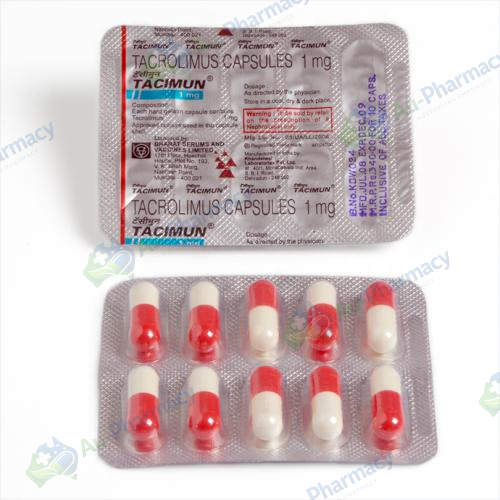
Prograf is a vital medication used to prevent organ rejection in patients who have undergone a transplant. It works by suppressing the body’s immune system, helping it to accept the new organ. This treatment is crucial for individuals receiving kidney, liver, or heart transplants. Prograf helps to improve long-term outcomes and quality of life for transplant recipients. It is an essential component of post-transplant care.
Active ingredient: Tacrolimus
Delivery: 5–21 business days (depending on the shipping method selected)
Save an extra 10% with the discount code: EXTRA10
Each dosage option has its own packaging variants.
Description
Prograf Tacrolimus Preventing Organ Rejection in Transplant Patients
Welcome to our comprehensive guide on Prograf, a vital medication known scientifically as tacrolimus. This detailed overview is designed to provide you with all the essential information about this critical immunosuppressant, whether you are a patient, a caregiver, or simply seeking to understand its role in modern medicine. Prograf plays an indispensable role in preventing organ rejection following transplantation, helping countless individuals in Australia and worldwide lead healthier, more fulfilling lives post-surgery. Its proven efficacy and well-established profile make it a cornerstone therapy in transplant immunology.
We understand the importance of reliable access to crucial medications. Here, we offer an unparalleled opportunity for individuals across Australia to acquire Prograf freely, without the need for a prescription or specialist consultation. Our platform is dedicated to ensuring that patients, particularly those in major urban centres like Sydney and Melbourne, as well as remote communities throughout Australia, can easily obtain the treatments they need. This commitment to accessibility means you can secure your supply of this essential medication with complete convenience and peace of mind.
Understanding Prograf: Its Mechanism and Role in Transplantation
Prograf, with its active ingredient tacrolimus, is a powerful immunosuppressant medication that belongs to a class of drugs known as calcineurin inhibitors. Its primary function is to suppress the body’s immune system, thereby preventing it from rejecting a transplanted organ. When an organ transplant occurs, the recipient’s immune system naturally identifies the new organ as “foreign” and mounts an attack against it, a process known as organ rejection. Without effective immunosuppression, this immune response would almost certainly lead to the failure of the transplanted organ.
The mechanism of action for tacrolimus is intricate and highly effective. It works by inhibiting a protein called calcineurin, which is crucial for the activation of T-lymphocytes – a type of white blood cell that plays a central role in the immune system’s rejection response. By blocking calcineurin, Prograf prevents T-cells from producing cytokines, which are signalling molecules that normally trigger and amplify the immune response. This selective suppression of T-cell activity significantly reduces the likelihood of the immune system attacking and damaging the transplanted organ, whether it’s a kidney, liver, heart, or other vital organ.
The introduction of tacrolimus into clinical practice revolutionised organ transplantation. Prior to its widespread use, the success rates of transplants were significantly lower, and patients often faced a higher risk of acute and chronic rejection. Prograf has been instrumental in improving long-term graft survival and enhancing the quality of life for transplant recipients. Its ability to finely modulate the immune response, while minimising the risk of over-suppression, has made it a preferred choice for many transplant teams globally, including those dedicated to patient care in Australia.
Tacrolimus is typically initiated shortly after a transplant surgery and is continued for the entire life of the transplanted organ. The dosage is carefully adjusted for each individual patient based on various factors, including the type of organ transplanted, the patient’s weight, and blood levels of the medication. Regular monitoring of tacrolimus levels in the blood is crucial to ensure therapeutic efficacy while avoiding toxicity. This personalised approach underscores the importance of consistent medication availability and adherence.
Key Indications for Prograf
The primary and officially approved indications for Prograf are centred around organ transplantation. It is widely used for:
- Prevention of organ rejection in kidney transplant recipients: Tacrolimus is highly effective in preventing both acute and chronic rejection of transplanted kidneys.
- Prevention of organ rejection in liver transplant recipients: It significantly improves the success rates and long-term outcomes for individuals undergoing liver transplantation.
- Prevention of organ rejection in heart transplant recipients: Prograf is a critical component of immunosuppressive regimens for heart transplant patients, contributing to improved survival and reduced rejection episodes.
- Prevention of organ rejection in other solid organ transplant recipients: While kidney, liver, and heart transplants are the most common indications, tacrolimus is also used in other solid organ transplants such as lung and pancreas.
- Treatment of organ rejection in patients who have not responded to other immunosuppressive treatments: In some cases, Prograf may be used as a rescue therapy for patients experiencing rejection despite receiving other medications.
Its versatility and robust performance across various organ types highlight its importance in the transplant community across Australia. By effectively managing the immune response, Prograf empowers patients to embrace a new chapter of life with their healthy transplanted organs.
Detailed Characteristics of Prograf (Tacrolimus)
To provide a comprehensive understanding, here is a detailed table outlining the key characteristics of Prograf:
| Characteristic | Description |
|---|---|
| Active Ingredient | Tacrolimus (macrolide immunosuppressant) |
| Drug Class | Calcineurin Inhibitor (CNI) |
| Mechanism of Action | Inhibits calcineurin, preventing T-lymphocyte activation and cytokine production, thereby suppressing the immune response. |
| Primary Indications | Prevention of organ rejection in kidney, liver, and heart transplant recipients. Treatment of rejection in patients unresponsive to other immunosuppressants. |
| Dosage Forms Available | Capsules (various strengths: 0.5 mg, 1 mg, 5 mg), Intravenous (IV) Injection. Extended-release formulations (e.g., Prograf XL, Advagraf) also exist. |
| Administration Route | Oral (capsules) or Intravenous (injection). Oral administration is preferred for long-term maintenance. |
| Dosing Frequency | Typically twice daily for immediate-release capsules. Once daily for extended-release formulations. |
| Pharmacokinetics (Absorption) | Variable and incomplete oral absorption. Food (especially fatty meals) can decrease absorption. Peak concentrations reached 1-3 hours post-dose. |
| Pharmacokinetics (Metabolism) | Extensively metabolised in the liver by the cytochrome P450 system (primarily CYP3A4). Also metabolised in the intestinal wall. |
| Pharmacokinetics (Excretion) | Mainly excreted in faeces (95%) via biliary excretion. Less than 1% excreted in urine. |
| Half-Life | Variable, ranging from 12 to 19 hours, depending on patient population (e.g., liver vs. kidney transplant patients). |
| Therapeutic Drug Monitoring (TDM) | Essential. Blood trough levels are regularly measured to maintain concentrations within a narrow therapeutic window, optimising efficacy and minimising toxicity. |
| Common Side Effects | Tremor, headache, diarrhoea, nausea, hypertension, kidney dysfunction, hyperglycaemia, insomnia, infections. |
| Serious Side Effects | Increased risk of serious infections, certain cancers (lymphoma, skin cancer), nephrotoxicity, neurotoxicity, cardiovascular events. |
| Drug Interactions | Numerous significant interactions due to CYP3A4 metabolism. Avoid grapefruit products. Interact with antifungals, macrolide antibiotics, calcium channel blockers, rifampicin, St. John’s Wort. |
| Storage | Store capsules at room temperature, protected from light and moisture. Do not freeze. Keep out of reach of children. |
| Important Considerations | Requires lifelong adherence. Should not be stopped abruptly. Close monitoring by healthcare professionals is crucial. Availability in Australia is key for ongoing care. |
Administering Prograf: Best Practices and What to Expect
The successful use of Prograf hinges on consistent and correct administration. While individual dosing regimens are determined by medical professionals based on the patient’s specific needs, there are general principles that apply to all users.
Oral Prograf capsules are typically taken twice daily, usually every 12 hours. It is generally recommended to take the medication at the same time each day, preferably on an empty stomach (at least one hour before or two to three hours after a meal) to maximise absorption and ensure consistent blood levels. However, if stomach upset occurs, it might be taken with food, but this must be consistent to avoid fluctuations in absorption. The capsules should be swallowed whole with water and not crushed, chewed, or opened. For patients unable to take oral medication, an intravenous formulation is available for hospital settings.
Adherence to the prescribed dosage and schedule is paramount. Missing doses or taking them inconsistently can lead to fluctuations in tacrolimus blood levels, which could increase the risk of organ rejection or lead to undesirable side effects. It is a lifelong medication for most transplant recipients, and stopping it abruptly or altering the dose without guidance can have severe consequences for the transplanted organ. Even when experiencing side effects, it is crucial to continue taking the medication and discuss any concerns.
Patients taking Prograf will undergo regular blood tests to measure the concentration of tacrolimus in their system. These “trough levels” (the lowest concentration of the drug in the blood, usually measured just before the next dose) are vital for guiding dosage adjustments. Maintaining the drug within a narrow therapeutic window is key: too low, and the risk of rejection increases; too high, and the risk of toxicity (e.g., kidney damage, neurological issues) rises. This precise monitoring ensures that patients in Australia receive the optimal benefit from their medication.
Understanding potential drug interactions is also critical. Tacrolimus is metabolised by the CYP3A4 enzyme system in the liver and gut. Many other medications can either inhibit or induce this enzyme, leading to dangerously high or low tacrolimus levels. Common examples include certain antibiotics (e.g., erythromycin, clarithromycin), antifungals (e.g., ketoconazole, fluconazole), calcium channel blockers (e.g., diltiazem, verapamil), and even herbal remedies like St. John’s Wort. Grapefruit and grapefruit juice must be strictly avoided, as they can significantly increase tacrolimus levels. Always ensure you are aware of all potential interactions with any new medication or supplement.
Why Choose Us for Your Prograf Needs in Australia?
For individuals requiring Prograf in Australia, obtaining this crucial medication should be a straightforward and stress-free process. We are committed to providing an accessible and reliable source for your immunosuppressant needs, ensuring that you can maintain your health and well-being post-transplant without unnecessary hurdles.
The most significant advantage we offer is the ability to acquire Prograf freely, without the need for a prescription or specialist consultation. We understand that navigating traditional pharmaceutical channels can sometimes be challenging, especially for those who live in regional Australia or have limited access to medical services. Our streamlined process eliminates these barriers, providing a direct pathway to obtaining your medication.
Our service is designed with the Australian customer in mind, offering:
- Unrestricted Access: Obtain your Prograf without the typical administrative requirements, making it simpler and faster to get what you need.
- Convenience Across Australia: Whether you are in the bustling cities of Sydney or Melbourne, or in any other part of this vast continent, our delivery services ensure your medication reaches you discreetly and efficiently.
- Reliability and Authenticity: We source genuine medication, guaranteeing that you receive high-quality Prograf to support your health.
- Confidentiality: Your privacy is paramount. All orders are handled with the utmost discretion, from processing to delivery.
- Support for Ongoing Care: By simplifying access, we help patients maintain continuous therapy, which is vital for preventing organ rejection and ensuring long-term graft survival.
We believe that essential medications like Prograf should be readily available to those who need them. Our platform fills a critical gap, empowering individuals to take control of their health management with ease and confidence. This direct access is particularly beneficial for patients who have an established treatment plan and understand their medication requirements, offering a seamless way to replenish their supply.
Frequently Asked Questions about Prograf
1. What is Prograf primarily used for?
Prograf is primarily used to prevent the body from rejecting a transplanted organ, such as a kidney, liver, or heart. It works by suppressing the immune system’s response to the new organ, allowing it to function effectively within the recipient’s body. It can also be used to treat organ rejection in patients who haven’t responded to other treatments.
2. How should I take Prograf capsules?
Prograf capsules should be taken orally, usually twice a day, every 12 hours. It’s generally best to take them on an empty stomach (one hour before or two to three hours after food) to ensure consistent absorption. Always take the capsules whole with water; do not crush, chew, or open them. Consistency in timing and method of intake is crucial.
3. Are there any foods or drinks I should avoid while taking Prograf?
Yes, it is critically important to avoid grapefruit and grapefruit juice entirely while taking Prograf. Grapefruit can significantly increase the levels of tacrolimus in your blood, leading to potentially dangerous side effects. Certain other foods or supplements may also interact; always be aware of what you consume.
4. What are the common side effects of Prograf?
Common side effects can include tremor, headache, diarrhoea, nausea, high blood pressure, kidney problems, high blood sugar, and difficulty sleeping. It’s also common to experience an increased susceptibility to infections because the medication suppresses your immune system. If you experience persistent or severe side effects, you should consider your health situation.
5. How long will I need to take Prograf?
For most organ transplant recipients, Prograf is a lifelong medication. It is necessary to continue taking it for as long as you have the transplanted organ to prevent rejection. Never stop taking Prograf or change your dosage without medical review, as this can lead to serious complications and organ rejection.
6. What happens if I miss a dose of Prograf?
If you miss a dose, take it as soon as you remember, unless it is almost time for your next scheduled dose. In that case, skip the missed dose and continue with your regular dosing schedule. Do not take a double dose to make up for a missed one. Consistent dosing is vital for maintaining stable drug levels.
7. Can Prograf interact with other medications?
Yes, Prograf has many significant drug interactions. It is metabolised by specific enzymes in the liver, and many other medications can either increase or decrease its levels in your blood. Examples include certain antibiotics, antifungals, calcium channel blockers, and even some herbal supplements. Always be mindful of potential interactions when starting new medications.
8. How should I store Prograf?
Prograf capsules should be stored at room temperature, away from direct light and moisture. Do not store them in the bathroom or areas with high humidity. Keep the medication in its original container and out of reach of children. Do not freeze the capsules.
9. Will taking Prograf increase my risk of infections or cancer?
Because Prograf works by suppressing your immune system, it does increase your risk of developing infections, including serious viral, bacterial, and fungal infections. It also increases the risk of certain types of cancer, particularly skin cancer and lymphoma, over the long term. Regular screenings and protective measures (like sun protection) are often recommended.
10. Can I get Prograf delivered anywhere in Australia?
Yes, we offer delivery of Prograf to all locations across Australia. Whether you reside in major metropolitan areas like Sydney or Melbourne, or in more remote regional communities, you can rely on our service to deliver your medication directly to your specified address, ensuring consistent access to this vital treatment.
Australian Customer Testimonials
Review 1: John M., Sydney, NSW
“As a kidney transplant recipient in Sydney for over five years, maintaining my medication regimen is my top priority. Prograf has been a game-changer for me, keeping my new kidney healthy and strong. I’ve found that sourcing my supply through this platform has been incredibly convenient. The ability to acquire it freely, without the typical bureaucratic delays, makes a huge difference to my peace of mind. The delivery to my door in Sydney is always prompt and discreet. It’s comforting to know I have such reliable access to my life-saving medication right here in Australia.”
Review 2: Dr. Eleanor V., Transplant Pharmacist, Melbourne, VIC (Expert Opinion)
“From a professional standpoint, tacrolimus (Prograf) is an indispensable agent in the prevention of organ transplant rejection. Its efficacy in various solid organ transplants, particularly for kidney and liver recipients, is well-documented and forms a cornerstone of immunosuppressive therapy. For patients in Australia, particularly those with stable post-transplant courses, direct access to this medication, as facilitated by this service, can significantly enhance adherence and continuity of care. This approach can be very beneficial for established patients who understand their individual needs and require consistent, hassle-free replenishment of their essential medication. The emphasis on accessible delivery throughout Australia, including major centres like Melbourne, is a critical component for patient well-being.”
Conclusion: Ensuring Continuous Care with Prograf Across Australia
Prograf remains an essential medication for thousands of transplant recipients across Australia, offering a lifeline that enables them to lead healthier, more active lives. Its proven ability to prevent organ rejection makes it an unparalleled choice in immunosuppressive therapy. We are proud to facilitate access to this vital medication, particularly through our commitment to providing it freely, without the need for a prescription or specialist consultation.
Our dedication to the Australian community means that patients, whether in the bustling hubs of Sydney and Melbourne or in more remote areas, can easily obtain the Prograf they need. This streamlined approach ensures continuity of care, reduces stress, and empowers individuals to manage their post-transplant health with greater independence. Trust in our reliable service to deliver your essential medication promptly and discreetly, helping you maintain the health of your transplanted organ and continue your journey towards a full and vibrant life. We are here to support your ongoing health needs, ensuring that this crucial medication is always within reach for those who depend on it.
Additional Information
| Dosage |
0.5mg ,1mg ,5 mg |
|---|---|
| Package |
10 pills ,20 pills ,30 pills ,60 pills ,90 pills ,120 pills ,180 pills ,270 pills ,360 pills |
| Active Ingredient |
Tacrolimus |
| Active ingredient |
Related Products