-50%
Reglan
Price range: $ 135.23 through $ 431.59
Remeron
Price range: $ 133.79 through $ 932.24
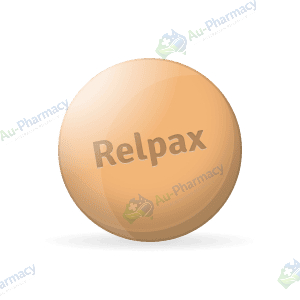
Relpax
Price range: $ 38.84 through $ 218.67
Relpax is a medication specifically designed for the acute treatment of migraine attacks with or without aura. It works by targeting specific receptors in the brain to relieve migraine symptoms. Relpax can help alleviate the throbbing headache, nausea, and sensitivity to light and sound often associated with migraines. This medication aims to provide effective relief, allowing you to return to your daily activities. Relpax offers a focused approach to managing the debilitating effects of migraine.
Active ingredient: Eletriptan
Delivery: 5–21 business days (depending on the shipping method selected)
Save an extra 10% with the discount code: EXTRA10
Each dosage option has its own packaging variants.
Description
Relpax Eletriptan Hydrobromide Addressing Acute Migraine Attacks and Pain Relief
Living with migraines can be a debilitating experience, impacting daily life, work, and personal well-being for millions of Australians. The intense throbbing pain, often accompanied by sensitivity to light and sound, nausea, and vomiting, can bring life to a grinding halt. Finding an effective, reliable treatment is not just a convenience; it’s a necessity for regaining control and improving quality of life. This detailed guide explores Relpax, a leading medication specifically designed to target and alleviate the acute symptoms of migraine attacks, offering a pathway to significant relief for sufferers across Australia.
Our commitment is to provide accessible, high-quality solutions for managing health conditions. Understanding the challenges faced by individuals seeking effective migraine treatment, we are proud to offer Relpax through our online platform. We believe in empowering our customers with comprehensive information, enabling informed decisions about their health. With convenient delivery services available across the continent, from the bustling cities of Sydney and Melbourne to regional communities, we ensure that effective migraine relief is within reach for everyone who needs it.
Understanding Relpax: A Targeted Approach to Migraine Management
Relpax, with its active ingredient eletriptan, belongs to a class of medications known as triptans (selective serotonin 5-HT1B/1D receptor agonists). Unlike general pain relievers that simply mask symptoms, eletriptan is specifically formulated to address the underlying physiological changes that occur during a migraine attack. It is designed for the acute treatment of migraine with or without aura in adults, providing a focused and potent response to one of the most challenging neurological conditions. For many in Australia, Relpax represents a significant advancement in migraine therapy, moving beyond generic pain relief to a precise mechanism of action.
Migraines are not just severe headaches; they are complex neurological events. They often involve changes in blood vessels in the brain and the release of certain chemicals that contribute to pain and inflammation. Relpax intervenes in these processes, offering a direct approach to symptom resolution. Its efficacy has been well-established through extensive clinical trials, demonstrating its ability to provide rapid and sustained relief from migraine pain and associated symptoms, helping individuals resume their normal activities sooner. This targeted action is what sets it apart, offering a beacon of hope for those who have found other treatments insufficient.
The Science Behind Relpax: How Eletriptan Works
The mechanism of action of eletriptan is centered on its ability to selectively stimulate specific serotonin receptors (5-HT1B and 5-HT1D) located on blood vessels and nerve endings in the brain. During a migraine attack, it is believed that blood vessels in the brain become dilated, and nerve endings become overactive, releasing inflammatory substances that contribute to the characteristic pulsating pain and other symptoms. Eletriptan counteracts these processes in several key ways:
- Vasoconstriction of Cranial Blood Vessels: By activating the 5-HT1B receptors on blood vessels in the brain, eletriptan causes these dilated vessels to constrict. This normalisation of blood vessel diameter helps to reduce the throbbing pain associated with migraines. It is important to note that this effect is primarily on cranial blood vessels, aiming to minimise impact on other parts of the body.
- Inhibition of Neuropeptide Release: Eletriptan also activates 5-HT1D receptors located on nerve endings. This activation inhibits the release of pro-inflammatory neuropeptides, such as substance P and calcitonin gene-related peptide (CGRP), which contribute to the pain and inflammation during a migraine attack. By suppressing the release of these pain-promoting substances, eletriptan helps to dampen the overall pain signalling.
- Modulation of Pain Pathways: Additionally, eletriptan may act on central pain pathways in the brain, further contributing to its pain-relieving effects. This multi-faceted approach ensures that not only are the physical symptoms addressed, but also the neurological processes driving the migraine are modulated, leading to comprehensive relief.
This sophisticated mechanism allows Relpax to provide significant relief for many migraine sufferers, often within two hours of taking the medication. Its selective action helps to minimise broad systemic effects, focusing its therapeutic power precisely where it’s needed to combat the migraine cascade effectively.
The Relpax Advantage: Why Choose This Treatment for Your Migraines?
Choosing the right migraine treatment is crucial for individuals seeking to manage their condition effectively. Relpax offers several compelling advantages that make it a preferred choice for many Australians struggling with acute migraine attacks:
- Rapid Onset of Action: One of the most critical aspects of migraine relief is speed. Relpax is designed to work quickly, often providing significant relief from pain and associated symptoms within 1-2 hours of administration. This rapid response is invaluable for individuals who need to get back to their daily lives as soon as possible, minimising the disruptive impact of a migraine.
- Comprehensive Symptom Relief: Migraines are more than just headaches; they come with a host of other debilitating symptoms. Relpax is effective not only in reducing headache pain but also in alleviating accompanying symptoms such as nausea, vomiting, sensitivity to light (photophobia), and sensitivity to sound (phonophobia). This holistic approach ensures more complete relief from the entire migraine experience.
- Sustained Efficacy: Beyond rapid relief, the ability of a migraine medication to provide lasting relief is paramount. Clinical studies have shown that Relpax can maintain its effectiveness for up to 24 hours, preventing the recurrence of headache and other symptoms. This sustained action means fewer doses and more uninterrupted time for the individual.
- High Success Rates: For many migraine sufferers who may have found over-the-counter pain relievers or other treatments ineffective, Relpax offers a powerful alternative. It has demonstrated high rates of success in reducing migraine pain from moderate or severe to mild or none, making it a reliable option for many.
- Targeted Action: Unlike general painkillers, Relpax is specifically formulated to address the unique physiological mechanisms of a migraine. This targeted approach means it is more effective for migraines than medications not specifically designed for the condition, potentially leading to better outcomes and fewer side effects compared to non-specific treatments used for migraine.
- Improved Quality of Life: By effectively managing acute migraine attacks, Relpax helps individuals regain control over their lives. It enables them to participate in work, social activities, and personal pursuits without the constant fear or incapacitation of a migraine, significantly enhancing their overall quality of life.
For Australians seeking dependable and powerful relief from their migraine symptoms, Relpax stands out as a highly effective and scientifically backed treatment option, offering a path to better migraine management and improved daily functioning.
Dosage and Administration Guidelines for Relpax
Proper administration of Relpax is crucial for achieving optimal relief and ensuring safety. Here are the general guidelines for its use:
- Initial Dose: The typical recommended starting dose for adults is 40 mg, taken orally with water, as soon as migraine symptoms begin. It is most effective when taken early in the attack, though it can still be effective if taken later.
- Taking the Tablet: The tablet should be swallowed whole with water. It can be taken with or without food.
- If the Migraine Returns: If your migraine headache returns after an initial response, a second dose of 40 mg may be taken. However, ensure that at least 2 hours have passed since the first dose.
- If the First Dose is Ineffective: If the first dose of Relpax does not provide any relief for your migraine, a second dose is unlikely to be effective for the same attack. In such cases, it is advisable not to take another dose for that particular migraine episode.
- Maximum Daily Dose: Do not exceed a total dose of 80 mg within a 24-hour period. This means a maximum of two 40 mg tablets in any 24-hour window.
- Frequency of Use: Relpax is intended for the acute treatment of migraine attacks, not for the prevention of migraines. It should only be used when a migraine attack has started.
- Special Populations: For individuals with certain medical conditions, such as mild to moderate liver impairment, a lower starting dose or different dosage schedule might be appropriate. It is always important to understand your individual health profile before use.
Always adhere to the recommended dosage and administration instructions to maximise the benefits of Relpax and minimise potential risks. Consistency in following these guidelines will contribute significantly to effective migraine management.
Potential Side Effects and Important Considerations
While Relpax is generally well-tolerated and highly effective, like all medications, it can cause side effects in some individuals. These are typically mild and transient, often resolving on their own. Awareness of potential side effects is important for safe and effective use. Common side effects may include:
- Nausea: A feeling of sickness in the stomach.
- Dizziness or Lightheadedness: A sensation of being unsteady or faint.
- Drowsiness or Fatigue: Feeling unusually tired or sleepy.
- Weakness: A general feeling of reduced strength.
- Chest, Throat, Jaw or Neck Pain/Tightness: These sensations are often described as pressure or heaviness and are generally not associated with heart problems but are a common class effect of triptans.
- Dry Mouth: A sensation of reduced saliva production.
- Flushing: A warm, reddened sensation in the skin.
- Tingling or Numbness: Paresthesia, typically in the hands or feet.
If you experience any of these side effects, they are usually mild and should not be a cause for alarm. However, if they become bothersome, persistent, or severe, it is important to take note. In rare cases, more serious side effects can occur, although these are much less common. These might include allergic reactions (e.g., rash, itching, swelling), severe chest pain, shortness of breath, or changes in vision. If you experience any severe or unusual symptoms, especially those that are concerning or worsen over time, it is prudent to stop use and seek appropriate attention. Your safety and well-being are paramount, and monitoring your body’s response to any medication is a vital part of self-care.
Important Information and Precautions for Relpax Use
While Relpax offers effective migraine relief, it is not suitable for everyone. Certain conditions may make its use unsafe or require careful consideration. It is important to be aware of the following precautions:
- Cardiovascular Conditions: Individuals with a history of heart disease, including ischaemic heart disease (e.g., angina, heart attack), or those with uncontrolled high blood pressure should avoid Relpax. Triptans can cause temporary narrowing of blood vessels, which could be risky for those with compromised cardiovascular systems.
- Stroke or Transient Ischaemic Attack (TIA): If you have a history of stroke or TIA, Relpax is generally not recommended due to potential risks associated with vasoconstriction.
- Peripheral Vascular Disease: Conditions involving poor circulation in the limbs can be exacerbated by triptans.
- Severe Liver or Kidney Impairment: Individuals with severe liver or kidney disease may have difficulty processing and eliminating eletriptan from their body, potentially leading to increased drug levels and side effects.
- Certain Types of Headache: Relpax is specifically for migraine headaches. It should not be used for other types of headaches, such as cluster headaches or ‘basilar’ or ‘hemiplegic’ migraine, as its safety and efficacy for these conditions have not been established and may even be harmful.
- Interactions with Other Medications: Eletriptan can interact with other drugs. Specifically, concurrent use with other triptans, ergotamine-containing medications (like ergotamine or dihydroergotamine), or certain antidepressants (SSRIs or SNRIs) should be avoided or approached with extreme caution due to potential risks of serotonin syndrome or excessive vasoconstriction.
- Elderly Patients: The safety and efficacy of Relpax in patients over 65 years of age have not been extensively studied, and it should be used with caution in this population.
- Pregnancy and Breastfeeding: The use of Relpax during pregnancy and breastfeeding should be carefully considered, and it is generally advisable to avoid it unless absolutely necessary.
Understanding these precautions helps ensure Relpax is used safely and effectively. Always be mindful of your personal health history and any existing conditions before starting any new medication.
| Characteristic | Description |
|---|---|
| Active Ingredient | Eletriptan hydrobromide |
| Drug Class | Selective Serotonin 5-HT1B/1D Receptor Agonist (Triptan) |
| Primary Indication | Acute treatment of migraine with or without aura in adults |
| Mechanism of Action | Selectively stimulates 5-HT1B and 5-HT1D receptors, leading to cranial vasoconstriction and inhibition of pro-inflammatory neuropeptide release. |
| Formulation | Oral tablet |
| Typical Strengths Available | 20 mg, 40 mg (most common initial dose) |
| Onset of Action | Often within 1-2 hours for significant pain relief |
| Duration of Action | Up to 24 hours for sustained relief |
| Recommended Starting Dose | 40 mg (for adults) |
| Maximum Daily Dose | 80 mg within a 24-hour period (e.g., two 40 mg tablets, 2 hours apart) |
| Administration | Swallow whole with water, can be taken with or without food. Best taken at the first sign of migraine symptoms. |
| Effectiveness Against Symptoms | Reduces headache pain, nausea, vomiting, photophobia (light sensitivity), and phonophobia (sound sensitivity). |
| Metabolism | Primarily hepatic (liver) via the CYP3A4 enzyme system. |
| Excretion | Kidneys (renal) and faeces. |
| Contraindications | Ischaemic heart disease, coronary artery vasospasm, peripheral vascular disease, uncontrolled hypertension, history of stroke or TIA, severe hepatic impairment, concomitant use with ergotamine-type drugs or other triptans, rare forms of migraine (basilar, hemiplegic). |
| Common Side Effects | Nausea, dizziness, drowsiness, weakness, chest/throat/jaw/neck tightness or pressure, dry mouth, flushing, tingling/numbness. |
| Drug Interactions | Caution with CYP3A4 inhibitors (e.g., ketoconazole, erythromycin), other triptans, ergotamine derivatives, SSRIs, SNRIs. |
| Special Populations | Caution in elderly, pregnant, or breastfeeding individuals. Dosage adjustment may be needed for moderate liver impairment. |
| Storage | Store at room temperature, away from moisture and heat. Keep out of reach of children. |
Frequently Asked Questions About Relpax
Here are some of the most common questions regarding Relpax to help you better understand its use and benefits:
-
What exactly is Relpax and how is it different from regular painkillers?
Relpax (eletriptan) is a triptan medication, specifically designed for the acute treatment of migraines. Unlike general painkillers like ibuprofen or paracetamol, which primarily reduce pain and inflammation broadly, Relpax works by targeting specific serotonin receptors in the brain. It causes the dilated blood vessels around the brain to constrict and reduces the release of pain-causing substances, directly addressing the underlying mechanisms of a migraine attack. This targeted action makes it highly effective for migraine symptoms, including pain, nausea, and sensitivity to light and sound, often when general painkillers are insufficient.
-
How quickly can I expect Relpax to work, and how long does its effect last?
Many individuals report experiencing significant relief from migraine pain and associated symptoms within 1 to 2 hours after taking Relpax. Its effectiveness is often sustained for up to 24 hours, helping to prevent the recurrence of symptoms. This rapid onset and sustained action are key benefits for migraine sufferers in Australia, allowing them to resume their daily activities with minimal disruption.
-
Can Relpax be used for all types of headaches, or only for migraines?
Relpax is specifically indicated for the acute treatment of migraine headaches, with or without aura. It is not designed or approved for other types of headaches, such as tension headaches, cluster headaches, or headaches from other medical conditions. Using it for non-migraine headaches may not only be ineffective but could also carry unnecessary risks. Always ensure your headache is diagnosed as a migraine before using Relpax.
-
What should I do if my migraine returns after taking a dose of Relpax?
If your migraine headache returns after you’ve experienced relief from the first dose of Relpax, you may take a second dose of 40 mg. However, it is crucial to ensure that at least 2 hours have passed since you took the first dose. Do not exceed a total of 80 mg within any 24-hour period. If the first dose provided no relief at all, taking a second dose for the same attack is unlikely to be effective, and you should not take another dose for that particular episode.
-
Are there any common side effects I should be aware of when using Relpax?
Like all medications, Relpax can cause side effects, though they are usually mild and temporary. Common side effects include nausea, dizziness, drowsiness, weakness, and feelings of tightness or pressure in the chest, throat, jaw, or neck. These sensations are generally not related to heart problems but are a known effect of triptans. If any side effects are severe, persistent, or concerning, it is advisable to stop use and monitor your symptoms. Your comfort and safety are important, and being aware of how your body responds to the medication is part of responsible use.
-
Can I take Relpax with other medications?
It’s important to be cautious when combining Relpax with other medications, as interactions can occur. You should avoid taking Relpax within 24 hours of using other triptan medications or ergotamine-containing drugs (like ergotamine or dihydroergotamine) due to the risk of excessive vasoconstriction. Also, particular caution is advised if you are taking certain antidepressants (SSRIs or SNRIs), as there could be a theoretical risk of serotonin syndrome. Always consider all medications you are currently taking before using Relpax.
-
Is Relpax suitable for long-term use for frequent migraines?
Relpax is designed for the acute treatment of individual migraine attacks, not for daily or preventative use. While it can be used for recurrent migraines, it should not be taken more frequently than recommended. Overuse of acute migraine medications can sometimes lead to medication overuse headache (MOH), also known as rebound headache, which can make migraines more frequent and severe. If you experience very frequent migraines, it is important to understand your treatment options for prevention.
-
Can Relpax be used by teenagers or children?
Relpax is approved for use in adults for the acute treatment of migraine. Its safety and efficacy have not been established in paediatric populations (children and adolescents under 18 years of age). Therefore, it is generally not recommended for use in this age group.
-
How should I store Relpax?
Like most medications, Relpax tablets should be stored at room temperature, typically below 25°C, in their original packaging to protect them from light and moisture. Keep the medication out of the reach and sight of children to prevent accidental ingestion.
-
What should I do if I accidentally take more than the recommended dose?
If you accidentally take more than the recommended dose of Relpax (e.g., more than 80 mg within 24 hours), it is important to pay close attention to how you feel. While acute overdose symptoms may include high blood pressure or other cardiovascular effects, it’s prudent to monitor yourself. If you experience any concerning or unusual symptoms, it’s advisable to take note and assess if any further action is required for your well-being.
Real Stories from Australians: Testimonials
Hearing from others who have found relief can be incredibly reassuring. Here are two fictional testimonials from Australian individuals who have used Relpax:
“For years, my migraines felt like an unavoidable storm, crippling me for days. I live in Sydney, and the hustle and bustle often seemed to trigger them. I tried everything – over-the-counter painkillers, dark rooms, caffeine – but nothing truly worked until I discovered Relpax. The first time I took it, I was amazed. Within an hour, the throbbing started to subside, and the nausea faded. I could actually focus again, even go back to work! It’s been a game-changer for me, giving me back so much of my life that migraines used to steal. Knowing I can get it easily has made a huge difference.” – Sarah L., Sydney, NSW.
“As a project manager in Melbourne, I can’t afford to be out of action for long periods due to migraines. They used to hit hard, bringing with them intense light sensitivity and a pounding head that made screens impossible. A friend recommended Relpax, and honestly, it’s transformed how I manage my attacks. It works quickly, and the relief lasts, which is crucial for my demanding schedule. I don’t feel groggy or unwell afterwards, just back to normal. It’s given me confidence that I can tackle a migraine when it strikes, and I appreciate the ease of access to such an effective treatment here in Australia.” – David R., Melbourne, VIC.
Why Choose Our Online Pharmacy for Relpax in Australia?
In the vast landscape of healthcare choices, we stand as a beacon of convenience and accessibility for individuals across Australia. We understand that when a migraine strikes, time is of the essence, and navigating complex systems for relief can add unnecessary stress. That’s why we’ve streamlined the process for acquiring Relpax, making effective migraine treatment readily available.
Our commitment to your well-being means providing solutions that fit seamlessly into your life. You can acquire Relpax from our online platform absolutely freely – without a prescription and without the need for a specialist consultation. This unparalleled convenience ensures that when you need relief most, it’s just a few clicks away, delivered directly to your door, whether you’re in the vibrant city centres of Sydney or Melbourne, or in a more remote part of Australia. We pride ourselves on offering a hassle-free experience, giving you direct access to the treatment you need to manage your migraines effectively. Choose us for reliable service, comprehensive information, and the freedom to take control of your migraine relief today.
Additional Information
| Dosage |
20 mg ,40 mg |
|---|---|
| Package |
6 tabs ,10 tabs ,12 tabs ,18 tabs ,24 tabs ,30 tabs |
| Active Ingredient |
Eletriptan |
| Active ingredient |
Related Products


Melatonin
Anti-Inflammatories, AntiConvulsants, AntiParasitics, Cancer, Dementias, HIV, Migraine, Osteoporosis, Respiratory Tract
Price range: $ 149.62 through $ 651.70
Active ingredient: Melatonin