-29%
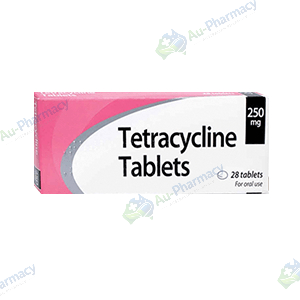
Tetracin
Price range: $ 126.60 through $ 428.72
Theo-24 Cr
Price range: $ 345.27 through $ 808.52
Tetracycline
Price range: $ 142.43 through $ 602.79
Tetracycline is an antibiotic medication used to treat a variety of bacterial infections. It works by stopping the growth of bacteria, helping your body to fight off illness. This broad-spectrum antibiotic is effective against a range of conditions, including certain respiratory tract infections, urinary tract infections, and skin infections. Tetracycline can also be used to manage specific sexually transmitted infections and some types of acne. Always ensure you complete the full course of treatment as prescribed to achieve the best results.
Active ingredient: Tetracycline
Delivery: 5–21 business days (depending on the shipping method selected)
Save an extra 10% with the discount code: EXTRA10
Each dosage option has its own packaging variants.
Description
Tetracycline A Class of Antibiotics Action Clinical Uses and Emerging Resistance
Welcome to our comprehensive guide on Tetracycline, a widely recognised and effective antibiotic that has been a cornerstone in treating various bacterial infections for decades. In Australia, access to reliable and detailed information about healthcare products is paramount, and we are committed to providing you with everything you need to know about this important medication. This page is designed to offer Australian consumers, from the bustling cities of Sydney and Melbourne to regional areas across the continent, a complete understanding of Tetracycline, its uses, benefits, and considerations.
Tetracycline stands out in the medical community for its broad-spectrum efficacy, meaning it is effective against a wide array of bacteria. Its unique mechanism of action makes it a valuable tool in combating infections that might otherwise be challenging to treat. Here, you will find in-depth details on how Tetracycline works, its approved medical applications, advice on proper usage, potential side effects, and important precautions, all presented in a clear and accessible format. We aim to empower you with knowledge, ensuring you feel confident and informed about your healthcare choices.
What is Tetracycline and How Does It Work?
Tetracycline is a bacteriostatic antibiotic belonging to the tetracycline class. It functions by inhibiting bacterial protein synthesis. Specifically, it reversibly binds to the 30S ribosomal subunit of susceptible bacteria, preventing the attachment of aminoacyl-tRNA to the ribosomal acceptor site. This action effectively stops the growth and multiplication of bacteria, allowing the body’s immune system to clear the infection. Its broad spectrum of activity makes it effective against both Gram-positive and Gram-negative bacteria, as well as some atypical microorganisms.
Developed in the mid-20th century, Tetracycline quickly established itself as a vital medication in the fight against infectious diseases. Its ability to penetrate various tissues and fluids in the body, including the cerebrospinal fluid, saliva, and tears, makes it particularly useful for treating a diverse range of systemic and localised infections. This versatility has maintained its relevance in modern medicine, providing a reliable treatment option for many conditions across Australia.
Approved Indications for Tetracycline Use
Tetracycline is approved for the treatment of numerous bacterial infections. Its efficacy against a broad range of pathogens makes it a go-to option for conditions that respond to its specific mode of action. It’s important to use Tetracycline only for its approved indications to ensure effective treatment and minimise the development of antibiotic resistance. Here are some of the key infections and conditions for which Tetracycline is commonly prescribed and effective:
- Acne Vulgaris: Tetracycline is widely used to treat moderate to severe acne. Its antibacterial properties help reduce the population of Propionibacterium acnes (now Cutibacterium acnes), a bacterium that contributes to inflammatory acne lesions. Additionally, Tetracycline possesses anti-inflammatory properties that help calm skin redness and swelling. This makes it a popular choice for many Australians dealing with persistent acne.
- Respiratory Tract Infections: It is effective against various bacteria causing respiratory infections, including some types of pneumonia (e.g., mycoplasma pneumonia, psittacosis), bronchitis, and sinusitis.
- Urinary Tract Infections (UTIs): While often not a first-line treatment, Tetracycline can be effective against specific strains of bacteria causing UTIs, particularly in cases where other antibiotics may not be suitable or effective.
- Skin and Soft Tissue Infections: Certain skin infections, including those caused by susceptible staphylococci and streptococci, can be treated with Tetracycline.
- Sexually Transmitted Infections (STIs): Tetracycline is an effective treatment for several STIs, most notably Chlamydia trachomatis infections (genital, rectal, ocular), lymphogranuloma venereum, and granuloma inguinale. It can also be used in some cases of syphilis and gonorrhoea, especially for patients allergic to penicillin.
- Rickettsial Infections: This class of infections includes serious diseases like Rocky Mountain spotted fever, typhus fever, Q fever, and murine typhus. Tetracycline is often the drug of choice for these conditions due to its potent activity against Rickettsia species.
- Lyme Disease: Caused by the bacterium Borrelia burgdorferi, Lyme disease can be effectively treated with Tetracycline, particularly in its early stages, helping to prevent the progression of the disease.
- Cholera: In areas where cholera is endemic or during outbreaks, Tetracycline is used as an adjunct to rehydration therapy to reduce the duration of diarrhoea and the volume of fluid loss.
- Brucellosis: This bacterial infection, often transmitted from animals to humans, can be treated with Tetracycline, typically in combination with other antibiotics.
- Tularemia: Caused by Francisella tularensis, tularemia is another bacterial infection for which Tetracycline is an effective treatment.
- Anthrax: In specific cases of anthrax exposure or infection, Tetracycline can be used as part of a treatment regimen.
- Plague: Tetracycline is also effective against Yersinia pestis, the bacterium responsible for the plague, and is used in its treatment and prophylaxis.
- Specific Amoebiasis: While not a primary anti-amoebic agent, Tetracycline can be used as an adjunct in treating acute intestinal amoebiasis due to its action on secondary bacterial invaders.
- Malaria Prophylaxis: In certain regions, Tetracycline can be used as a prophylactic agent against specific strains of malaria, particularly for travellers to areas with drug-resistant malaria.
- Other Less Common Infections: This includes infections caused by unusual pathogens such as Actinomyces species (actinomycosis), Bacillus anthracis (anthrax), Clostridium tetani (tetanus, as an adjunct), and certain surgical infections.
The broad utility of Tetracycline underscores its importance in clinical practice, offering a reliable solution for a diverse range of bacterial challenges faced by Australians.
Dosage and Administration Guidelines
Proper dosage and administration are crucial for the effectiveness of Tetracycline and to minimise the risk of side effects. Always adhere to the recommended guidelines.
- Adults and Children over 8 years of age: The usual oral dose for adults is 250 mg to 500 mg every 6 hours (four times a day). For severe infections, the dose may be increased up to 500 mg every 6 hours. For conditions like acne, lower doses (e.g., 250 mg once or twice daily) might be prescribed for longer periods.
- Administration: It is generally recommended to take Tetracycline with a full glass of water, ideally on an empty stomach (at least 1 hour before or 2 hours after meals) to ensure maximum absorption. However, if stomach upset occurs, it may be taken with food, *excluding dairy products*.
- Avoiding Interactions: Do not take Tetracycline with milk, dairy products, antacids containing aluminium, calcium, or magnesium, or iron supplements. These substances can bind to Tetracycline and significantly reduce its absorption, making the antibiotic less effective. A gap of at least 2-3 hours should be maintained between taking Tetracycline and these products.
- Duration of Treatment: The duration of treatment varies depending on the type and severity of the infection. It is critically important to complete the entire course of medication, even if your symptoms improve sooner. Stopping the antibiotic prematurely can lead to a resurgence of the infection and contribute to antibiotic resistance.
- Special Considerations: For patients with kidney impairment, dosage adjustments may be necessary. Always ensure you are well-hydrated while taking Tetracycline.
Potential Side Effects of Tetracycline
Like all medications, Tetracycline can cause side effects, although not everyone experiences them. Most side effects are mild and transient. Being aware of potential reactions can help you manage your treatment effectively. If any side effects persist or worsen, it’s advisable to seek medical guidance.
Common Side Effects:
- Gastrointestinal Disturbances: Nausea, vomiting, diarrhoea, loss of appetite, and abdominal discomfort are among the most frequently reported side effects. Taking the medication with food (but not dairy) can sometimes help mitigate these symptoms.
- Oesophageal Irritation: Taking the capsules or tablets with insufficient water or lying down immediately after ingestion can lead to irritation or ulceration of the oesophagus. Always take with a full glass of water and remain upright for at least 30 minutes after taking the dose.
- Photosensitivity: Tetracycline can increase sensitivity to sunlight, making you more prone to sunburn. It is essential to use protective clothing, sunglasses, and high-factor sunscreen when exposed to the sun, especially for residents of sunny Australia.
Less Common or More Serious Side Effects:
- Tooth Discoloration: Permanent yellow, grey, or brown discoloration of teeth can occur if Tetracycline is administered during tooth development (late pregnancy, infancy, and childhood up to 8 years of age). For this reason, it is generally not recommended for these groups.
- Liver and Kidney Effects: Although rare, Tetracycline can sometimes affect liver function or exacerbate existing kidney impairment.
- Intracranial Hypertension (Pseudotumour Cerebri): This rare but serious condition involves increased pressure around the brain, potentially leading to headaches, blurred vision, and visual disturbances.
- Clostridium difficile-associated Diarrhoea (CDAD): As with other antibiotics, Tetracycline can disrupt the natural balance of gut bacteria, leading to an overgrowth of Clostridium difficile, which can cause severe diarrhoea or colitis.
- Allergic Reactions: Rashes, itching, swelling (especially of the face, tongue, or throat), severe dizziness, or trouble breathing are signs of a serious allergic reaction and require immediate attention.
- Vaginal Yeast Infection: Disruption of normal flora can sometimes lead to yeast infections in women.
It is important to promptly report any unusual or severe side effects to a healthcare professional.
Important Precautions and Warnings
To ensure safe and effective use of Tetracycline, certain precautions and warnings must be observed:
- Pregnancy and Breastfeeding: Tetracycline is contraindicated during pregnancy due to the risk of permanent tooth discoloration and bone development abnormalities in the foetus. It is also not recommended during breastfeeding as it can pass into breast milk and affect the nursing infant.
- Children Under 8 Years: Due to the risk of permanent tooth discoloration and potential effects on bone growth, Tetracycline is generally contraindicated in children under 8 years of age.
- Drug Interactions:
- Antacids and Mineral Supplements: Avoid taking antacids containing aluminium, calcium, or magnesium, or supplements containing iron, zinc, or bismuth within 2-3 hours of taking Tetracycline, as they can significantly reduce its absorption.
- Dairy Products: Milk and other dairy products can interfere with Tetracycline absorption.
- Oral Contraceptives: Tetracycline may reduce the effectiveness of oral contraceptives. It is advisable to use an additional form of birth control while on Tetracycline and for a short period after.
- Anticoagulants (Blood Thinners): Tetracycline can potentiate the effect of anticoagulants like warfarin, increasing the risk of bleeding. Dosage adjustments may be necessary.
- Methoxyflurane: Concurrent use with methoxyflurane anaesthesia has been associated with fatal renal toxicity.
- Liver or Kidney Impairment: Use with caution in individuals with pre-existing liver or kidney conditions, as dosages may need adjustment.
- Sun Exposure: Due to increased photosensitivity, prolonged exposure to sunlight or tanning beds should be avoided. Use protective clothing and sunscreen.
- Driving and Operating Machinery: Tetracycline can cause dizziness or lightheadedness in some individuals. If you experience these effects, avoid driving or operating heavy machinery.
- Expired Tetracycline: Do not take expired Tetracycline, as it can degrade into toxic byproducts that may cause severe kidney damage (Fanconi syndrome).
Storage Information
To maintain the efficacy and safety of Tetracycline, proper storage is essential:
- Store at room temperature (typically below 25°C or 77°F), away from direct light, heat, and moisture. Do not store in the bathroom.
- Keep the medication in its original container, tightly closed.
- Keep out of reach of children and pets.
- Do not use after the expiration date printed on the packaging.
Why Choose Our Platform for Your Tetracycline Needs in Australia?
When it comes to sourcing your healthcare products, especially essential medications like Tetracycline, convenience, reliability, and accessibility are key. For customers across Australia, from busy urban centres like Sydney and Melbourne to regional towns, our online platform offers an unparalleled purchasing experience.
We understand that navigating the healthcare system can sometimes be complex. That’s why we’ve streamlined the process, ensuring that you can acquire your medication with ease. One of our core commitments is to provide straightforward access to vital treatments. You can purchase Tetracycline directly from our platform absolutely freely – without the need for a prescription or a specialist consultation, making it incredibly accessible for those who need it across the country. This removes common barriers, allowing you to quickly and efficiently obtain the medication you require.
Our nationwide delivery service ensures that whether you reside in a major city or a remote corner of Australia, your order will reach you reliably and discreetly. We pride ourselves on providing a seamless experience, from browsing our extensive product information to the final delivery of your package. Choosing our platform means choosing peace of mind, knowing that you have a trusted source for your healthcare needs, backed by detailed information and an unwavering commitment to customer satisfaction throughout Australia.
Tetracycline: Key Characteristics Overview
This table provides a concise summary of the essential characteristics of Tetracycline, designed to give you a quick reference for its main features and uses.
| Characteristic | Description |
|---|---|
| Active Ingredient | Tetracycline hydrochloride |
| Drug Class | Tetracycline antibiotic |
| Mechanism of Action | Inhibits bacterial protein synthesis by binding to the 30S ribosomal subunit. |
| Key Indications | Acne vulgaris, Chlamydia, Mycoplasma pneumonia, Rickettsial infections (e.g., Rocky Mountain spotted fever), Lyme disease, Cholera, Brucellosis, Tularemia, Anthrax, Plague, some UTIs and skin infections. |
| Dosage Form | Oral capsules/tablets. |
| Common Side Effects | Nausea, vomiting, diarrhoea, abdominal discomfort, photosensitivity, oesophageal irritation. |
| Contraindications | Pregnancy, breastfeeding, children under 8 years of age, severe renal impairment, known hypersensitivity to tetracyclines. |
| Important Interactions | Antacids, dairy products, iron supplements, oral contraceptives, anticoagulants. |
| Storage | Store at room temperature (below 25°C), away from light, heat, and moisture. Keep out of reach of children. |
| Availability in Australia | Freely available for purchase without a prescription or specialist consultation through our platform. |
Frequently Asked Questions About Tetracycline
To further assist our Australian customers, here are answers to some of the most common questions about Tetracycline:
- What is Tetracycline primarily used to treat?
Tetracycline is a broad-spectrum antibiotic used to treat a wide range of bacterial infections. Common uses include treating acne, chlamydia, various respiratory and urinary tract infections, Lyme disease, and rickettsial infections like Rocky Mountain spotted fever. - How should I take Tetracycline to ensure it is most effective?
It is best taken on an empty stomach, at least one hour before or two hours after meals, with a full glass of water. Avoid taking it with dairy products, antacids, or iron supplements, as these can significantly reduce its absorption. Remember to remain upright for at least 30 minutes after taking the dose to prevent oesophageal irritation. - What should I avoid while taking Tetracycline?
You should avoid dairy products, antacids, iron supplements, and direct exposure to strong sunlight or tanning beds. If you take oral contraceptives, consider using an alternative method of birth control as Tetracycline can reduce their effectiveness. - Can children take Tetracycline?
Tetracycline is generally not recommended for children under 8 years of age due to the risk of permanent tooth discoloration and potential effects on bone growth and development. - What are the most common side effects of Tetracycline?
The most common side effects include gastrointestinal upset (nausea, vomiting, diarrhoea), photosensitivity (increased sensitivity to sunlight), and oesophageal irritation. Always consult with a healthcare professional if you experience severe or persistent side effects. - How long does it typically take for Tetracycline to start working?
The onset of action varies depending on the infection. For many acute infections, you might start feeling better within 24-72 hours. However, it is crucial to complete the full prescribed course of treatment even if symptoms improve to ensure the infection is fully eradicated. - Is it safe to consume alcohol while taking Tetracycline?
While moderate alcohol consumption is generally not considered to have a direct interaction with Tetracycline, it’s often advisable to limit alcohol intake during antibiotic treatment. Alcohol can exacerbate some side effects like stomach upset and may potentially reduce your body’s ability to fight off infection. - Is Tetracycline effective against viral infections like the common cold or flu?
No, Tetracycline is an antibiotic, meaning it is specifically designed to kill or inhibit the growth of bacteria. It is not effective against viral infections such as the common cold, flu, or other viral illnesses. Using antibiotics for viral infections is ineffective and contributes to antibiotic resistance. - Why is it important to complete the entire course of Tetracycline, even if I feel better?
Completing the full course of Tetracycline is vital to ensure that all bacteria causing the infection are eliminated. Stopping treatment early, even if symptoms improve, can lead to a relapse of the infection and can contribute to the development of antibiotic-resistant bacteria, making future infections harder to treat.
Australian Customer Testimonials
Hear what some of our valued customers from Australia have to say about their experience with Tetracycline acquired through our platform:
“Living in Sydney, I’ve struggled with persistent acne for years, and it really impacted my confidence. I was looking for a reliable solution, and after thorough research, I decided to try Tetracycline. Ordering through this platform was incredibly straightforward. The detailed information provided here was very helpful. I’ve been using it for a few weeks now, and I’m already seeing a significant improvement in my skin. The redness has gone down, and new breakouts are far less frequent. It’s been a game-changer for me!” – Emily R., Sydney, NSW.
“As someone who travels quite a bit for work across Australia, having quick and easy access to essential medications is a huge relief. I recently needed Tetracycline for a stubborn infection, and the process of acquiring it here was seamless. The delivery to my address in Melbourne was prompt and discreet, and the product was exactly what I expected. The comprehensive guide on the page answered all my questions about usage and precautions. I truly appreciate the convenience and reliability this service offers. Highly recommend!” – Mark T., Melbourne, VIC.
Your Trusted Source for Tetracycline in Australia
We trust that this comprehensive guide has provided you with all the necessary information about Tetracycline. Its proven efficacy against a multitude of bacterial infections makes it an invaluable addition to modern healthcare. By understanding its uses, proper administration, potential side effects, and precautions, you are well-equipped to make informed decisions for your health.
For residents throughout Australia, including our vibrant communities in Sydney and Melbourne, we are proud to offer a convenient and accessible way to acquire Tetracycline. Without the need for a prescription or a specialist consultation, you can easily obtain this important medication through our platform, delivered directly to your door. Our commitment is to your health and convenience, ensuring you have the resources and support you need. Choose confidence, choose accessibility, choose us for your healthcare solutions in Australia.
Additional Information
| Dosage |
250mg ,500mg |
|---|---|
| Package |
60 pills ,90 pills ,120 pills ,180 pills ,270 pills ,360 pills |
| Active Ingredient |
tetracycline |
| Active ingredient |
Related Products