-25%
Ranexa
Price range: $ 155.37 through $ 981.15
Ranol SR
Price range: $ 146.74 through $ 492.02
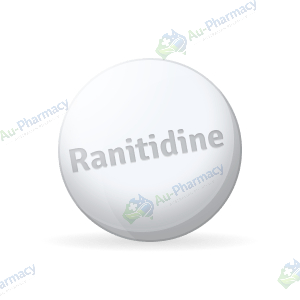
Ranitidine
Price range: $ 161.13 through $ 483.38
Ranitidine is a widely recognised medication used to reduce stomach acid production. It’s commonly employed to treat and prevent conditions such as heartburn and indigestion. By lowering acid levels, Ranitidine helps alleviate discomfort associated with these issues. This oral medication offers a convenient way to manage symptoms. Always refer to the product information for proper usage guidelines.
Active ingredient: Ranitidine
Delivery: 5–21 business days (depending on the shipping method selected)
Save an extra 10% with the discount code: EXTRA10
Each dosage option has its own packaging variants.
Description
Ranitidine Examining Its Therapeutic Benefits and Historical Context
Welcome to our detailed resource on Ranitidine, a widely trusted medication for managing various conditions related to excess stomach acid. Across Australia, many individuals experience the discomfort of heartburn, indigestion, and the more persistent symptoms of gastroesophageal reflux disease (GERD). Ranitidine offers a proven and effective pathway to relief, helping you regain comfort and improve your quality of life.
We understand the importance of having access to reliable information and effective treatments for your health needs. This comprehensive guide is designed to provide you with all the essential details about Ranitidine, from how it works to how it can benefit you. Whether you’re in bustling Sydney, vibrant Melbourne, or any other part of Australia, we are committed to making effective relief readily available to you.
What is Ranitidine?
Ranitidine is a medication belonging to a class of drugs known as histamine H2-receptor antagonists, often simply called H2 blockers. Its primary function is to reduce the amount of acid produced by the stomach. Stomach acid is crucial for digestion, but when produced in excess, it can lead to a range of uncomfortable and sometimes painful conditions. By targeting the cells in the stomach lining responsible for acid production, Ranitidine effectively lowers acid levels, providing relief and allowing the oesophagus and stomach lining to heal.
For decades, Ranitidine has been a cornerstone in gastroenterology, offering a non-invasive and highly effective treatment option for millions globally, including many in Australia. It’s known for its rapid onset of action and sustained relief, making it a popular choice for both acute symptom management and longer-term control of acid-related disorders. Its mechanism of action is well-understood, contributing to its strong safety profile when used as directed.
Understanding Its Mechanism and Broad Applications
The human stomach contains specialised cells that produce hydrochloric acid, a powerful digestive fluid. This process is partly regulated by histamine, a natural compound in the body that binds to H2 receptors on these acid-producing cells, stimulating them to release acid. Ranitidine works by blocking these H2 receptors. When histamine cannot bind to these receptors, the acid-producing cells receive a reduced signal to produce acid, leading to a significant decrease in stomach acid output. This targeted action is what makes Ranitidine so effective.
Approved Medical Uses of Ranitidine:
-
Heartburn and Indigestion: These are common complaints often caused by stomach acid irritating the oesophagus. Ranitidine provides rapid relief by reducing the acid that causes this irritation. For many Australians, occasional heartburn can be a nuisance, and Ranitidine offers a straightforward solution.
-
Gastroesophageal Reflux Disease (GERD): GERD is a more chronic condition where stomach acid frequently flows back into the oesophagus, leading to persistent heartburn, chest pain, and potential damage to the oesophageal lining. Regular use of Ranitidine can control symptoms, promote healing, and prevent complications.
-
Peptic Ulcers: These are sores that develop on the lining of the stomach, small intestine, or oesophagus, often caused by acid damage or a bacterial infection (Helicobacter pylori). Ranitidine helps by reducing acid, which allows existing ulcers to heal and prevents new ones from forming. It’s often used in conjunction with antibiotics for H. pylori eradication.
-
Zollinger-Ellison Syndrome: This is a rare condition where the body produces excessive amounts of stomach acid due to a tumour. Ranitidine is vital in managing this severe hypersecretory state, controlling acid levels, and alleviating associated symptoms.
-
Prevention of Stress Ulcers: In critically ill patients, stress ulcers can develop. Ranitidine can be used proactively to prevent these acid-related complications.
-
Dyspepsia: A general term for persistent or recurrent pain or discomfort in the upper abdomen. Ranitidine can alleviate symptoms when excess acid is a contributing factor.
The efficacy and safety of Ranitidine have been rigorously studied and confirmed over many years of clinical use. Its ability to specifically target the acid production mechanism minimises systemic side effects, making it a preferred choice for individuals seeking relief from acid-related digestive issues. The availability of this medication allows many Australians to manage their conditions effectively and continue their daily lives free from constant discomfort.
Detailed Product Characteristics Table
Understanding the core attributes of any medication is crucial for informed use. Below is a comprehensive table detailing the key characteristics of Ranitidine, providing a quick reference for its properties and applications.
| Characteristic | Description |
|---|---|
| Active Ingredient | Ranitidine (as Ranitidine hydrochloride) |
| Pharmacological Class | Histamine H2-receptor antagonist (H2 blocker) |
| Mechanism of Action | Selectively blocks histamine H2 receptors on gastric parietal cells, thereby reducing basal and stimulated gastric acid secretion and gastric volume. |
| Primary Indications | Treatment and prevention of: duodenal ulcers, gastric ulcers, gastroesophageal reflux disease (GERD), erosive oesophagitis, Zollinger-Ellison syndrome, and other hypersecretory conditions. Relief of heartburn and indigestion. |
| Dosage Forms Available | Typically tablets (oral administration). Other forms may include oral solutions or injections in clinical settings. |
| Common Strengths | Usually 150 mg and 300 mg for oral tablets. |
| Onset of Action | Typically within 30-60 minutes after oral administration. | Duration of Effect | Provides acid suppression for approximately 10-12 hours, allowing for once or twice daily dosing. |
| Absorption | Well absorbed after oral administration; peak plasma concentrations occur within 1-3 hours. Food does not significantly affect absorption. |
| Metabolism | Partially metabolised in the liver, forming N-oxide, S-oxide, and desmethyl metabolites. |
| Excretion | Primarily excreted unchanged in the urine, with a small proportion excreted in faeces. Renal impairment significantly affects clearance. |
| Half-Life | Approximately 2-3 hours in individuals with normal renal function. |
| Pregnancy Category | Category B (Australian classification: “Drugs which have been taken by only a limited number of pregnant women and women of childbearing age, without an increase in the frequency of malformation or other direct or indirect harmful effects on the human fetus having been observed.”) – Use with caution and only if clearly needed. |
| Lactation | Excreted in breast milk; use with caution. |
| Storage Conditions | Store below 30°C in a dry place, protected from light. Keep out of reach of children. |
| Contraindications | Hypersensitivity to ranitidine or any component of the formulation. |
Important Information for Safe and Effective Use
To ensure you get the maximum benefit from Ranitidine and use it safely, it’s important to understand the recommended dosing guidelines, potential side effects, and any special considerations. While Ranitidine is generally well-tolerated, being informed helps you make the best decisions for your health.
Dosing and Administration: Getting the Most from Ranitidine:
The appropriate dosage of Ranitidine depends on the condition being treated and individual patient response. For most common conditions like heartburn and indigestion, an occasional dose may suffice. For more chronic conditions such as GERD or ulcers, a regular regimen is often prescribed. It can be taken with or without food. Consistency is key, especially for long-term management. Always adhere to the recommended dosages. For instance:
-
For heartburn and indigestion: Typically, a 75 mg or 150 mg tablet taken when symptoms occur, or 30-60 minutes before anticipated symptoms (e.g., before a meal known to trigger heartburn). Do not exceed two tablets in 24 hours without professional advice.
-
For peptic ulcers: Often 150 mg twice daily (morning and evening) or 300 mg once daily at bedtime, usually for 4 to 8 weeks.
-
For GERD: 150 mg twice daily or 300 mg once daily at bedtime, for up to 8 weeks. For more severe cases, up to 150 mg four times daily may be used.
Always ensure you are using the correct strength and dosage for your specific needs. If you’re unsure, consult a healthcare professional.
Potential Side Effects and Precautions:
While Ranitidine is well-tolerated by most people, like all medications, it can cause side effects. These are usually mild and temporary. Common side effects may include:
- Headache
- Dizziness
- Constipation or diarrhoea
- Nausea
- Stomach pain
Less common but more serious side effects can occur, though they are rare. These might include allergic reactions (rash, itching, swelling), changes in heart rhythm, liver problems, or blood disorders. If you experience any severe or persistent side effects, or symptoms of an allergic reaction, stop taking the medication and seek immediate medical attention.
Certain precautions should be noted:
-
Kidney or Liver Impairment: Individuals with impaired kidney or liver function may require a reduced dosage of Ranitidine, as the drug is primarily eliminated through these organs.
-
Elderly Patients: While generally safe for the elderly, monitoring may be advised, especially if there are pre-existing conditions.
-
Pregnancy and Breastfeeding: While animal studies have not shown harm, adequate human studies are limited. It is best to use Ranitidine during pregnancy or breastfeeding only if clearly necessary and after discussion with a healthcare provider.
Drug Interactions:
Ranitidine can interact with certain other medications, potentially affecting their efficacy or increasing the risk of side effects. Some notable interactions include:
-
Antacids: While antacids can be used for immediate relief, they should ideally be taken at least an hour apart from Ranitidine to avoid interfering with its absorption.
-
Warfarin: Ranitidine may affect the metabolism of warfarin, a blood thinner, potentially increasing its effects. Close monitoring of blood clotting times may be necessary.
-
Diazepam: Ranitidine can reduce the clearance of diazepam (a sedative), leading to increased concentrations.
-
Ketoconazole and Itraconazole: The absorption of these antifungal medications is dependent on stomach acidity. By reducing acid, Ranitidine can decrease their absorption and effectiveness.
Always inform your healthcare provider or pharmacist about all other medications you are taking, including over-the-counter drugs, herbal remedies, and supplements, to avoid potential interactions.
Making an Informed Choice: Benefits and Accessibility
Ranitidine offers a compelling combination of effectiveness, rapid action, and a well-established safety profile, making it a preferred choice for many individuals dealing with acid-related digestive issues across Australia. Its ability to provide significant relief from symptoms like heartburn and pain, coupled with its role in healing and preventing ulcers, underscores its value as a therapeutic agent.
Why Choose Ranitidine?
-
Proven Efficacy: Decades of clinical use and research have consistently demonstrated Ranitidine‘s effectiveness in reducing stomach acid and treating associated conditions.
-
Fast-Acting Relief: Many users experience symptom relief within an hour of taking Ranitidine, providing comfort when it’s needed most.
-
Versatile Treatment: From occasional heartburn to chronic conditions like GERD and peptic ulcers, Ranitidine addresses a wide spectrum of acid-related problems.
-
Well-Tolerated: For most individuals, Ranitidine has a favourable side effect profile, contributing to good patient compliance.
For individuals seeking reliable and effective relief from digestive discomfort, Ranitidine stands out as a strong choice backed by extensive medical experience. It’s a solution that helps many Australians manage their digestive health, allowing them to enjoy meals and daily activities without the worry of acid-related symptoms.
Your Trusted Source for Ranitidine in Australia:
We are dedicated to providing accessible and high-quality healthcare solutions to everyone in Australia. You can acquire Ranitidine directly from our online platform, making it incredibly convenient whether you reside in the bustling centres of Sydney and Melbourne or in more remote areas of the country. We understand that quick access to effective relief is paramount. That’s why we ensure a seamless and straightforward purchasing process for your convenience.
Crucially, at our online pharmacy, Ranitidine is available for purchase without the need for a prescription or specialist consultation. This allows you to obtain the relief you need quickly and efficiently, directly delivered to your door anywhere in Australia. Our aim is to simplify your access to essential medications, ensuring that managing your acid-related conditions is as easy and stress-free as possible.
Frequently Asked Questions and Australian Testimonials
To further assist you in making an informed decision, we’ve compiled answers to some of the most common questions about Ranitidine. These questions reflect typical concerns from individuals seeking to understand how this medication can fit into their health management plan.
Frequently Asked Questions About Ranitidine:
-
Q: How quickly does Ranitidine work?
A: Many people experience relief from heartburn and indigestion symptoms within 30 to 60 minutes after taking Ranitidine. For chronic conditions like ulcers, the healing process takes longer, but symptom control usually begins quite rapidly.
-
Q: Can I take Ranitidine every day?
A: For chronic conditions such as GERD or peptic ulcers, Ranitidine is often prescribed for daily use over several weeks or even longer, under appropriate guidance. For occasional heartburn, it can be taken as needed. Always follow the specific dosing instructions for your condition.
-
Q: Is Ranitidine safe for long-term use?
A: Ranitidine has been used safely for long-term treatment of certain conditions for many years. However, as with any medication, prolonged use should be discussed if you have specific health concerns or are taking other medications. We recommend being aware of your body’s response.
-
Q: What is the difference between Ranitidine and antacids?
A: Antacids neutralise existing stomach acid and provide immediate, short-lived relief. Ranitidine works differently by reducing the production of stomach acid, offering longer-lasting relief and allowing for healing. You can use both, but typically not at the exact same time.
-
Q: Can I take Ranitidine with food?
A: Yes, Ranitidine can be taken with or without food. Its absorption is not significantly affected by food, so you can choose the timing that is most convenient for you.
-
Q: What should I do if I miss a dose?
A: If you miss a dose of Ranitidine, take it as soon as you remember. However, if it is almost time for your next dose, skip the missed dose and continue with your regular schedule. Do not take a double dose to make up for a missed one.
-
Q: Are there any lifestyle changes I can make to help with my condition while taking Ranitidine?
A: Yes, lifestyle modifications can complement Ranitidine treatment. These include avoiding trigger foods (spicy, fatty, acidic foods), eating smaller meals, not lying down immediately after eating, elevating the head of your bed, and managing stress. These changes can significantly improve overall digestive health.
-
Q: Can Ranitidine be used for children?
A: The use of Ranitidine in children should always be under the guidance of a healthcare professional. Dosages and suitability vary based on age, weight, and the specific condition.
Real Experiences: Testimonials from Australian Users
Hearing from others who have experienced the benefits of Ranitidine can provide valuable insights. Here are a couple of testimonials from our customers across Australia, highlighting their positive experiences.
“Living in Melbourne, the hustle and bustle often meant quick meals and inevitable heartburn. I tried various remedies, but nothing truly offered lasting relief until I found Ranitidine. It’s been a game-changer. I take it as needed, and the relief is quick and effective, letting me enjoy my food and my day without constant discomfort. Being able to order it easily online and have it delivered anywhere in Australia is just fantastic.”
– David P., Melbourne, VIC
“As someone who’s dealt with GERD for years, finding consistent relief was a struggle. My doctor initially recommended Ranitidine, and it truly helped manage my symptoms significantly. When I found I could conveniently purchase it without a prescription, it made my life so much easier. The peace of mind knowing I have access to effective treatment, delivered right to my home in regional NSW, is invaluable. It’s helped me get my evenings back without constant acid reflux.”
– Sarah L., Wagga Wagga, NSW
We are committed to helping you find effective solutions for your digestive health. Ranitidine stands as a reliable and widely used option for managing acid-related conditions, and we are proud to make it accessible to you throughout Australia. Experience the comfort and peace of mind that comes with effective relief.
Additional Information
| Dosage |
300mg |
|---|---|
| Package |
90 pills ,120 pills ,180 pills ,270 pills ,360 pills |
| Active Ingredient |
ranitidine |
| Active ingredient |